Metaroot: How a Super Small Publisher Landed a Really Big Hit
The tiny Swiss publisher Metaroot landed a major hit with The Farmer Was Replaced, developed by solo developer Timon Herzog. A postmortem about an underserved niche and the importance of communication and information sharing.
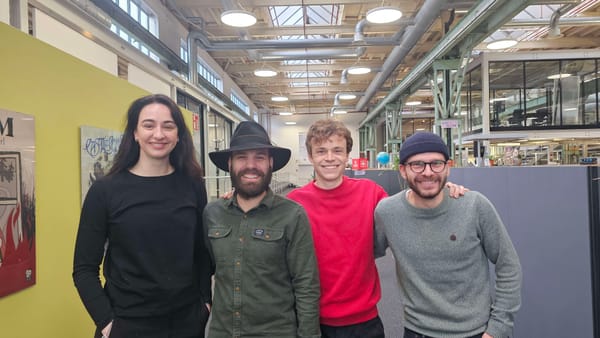
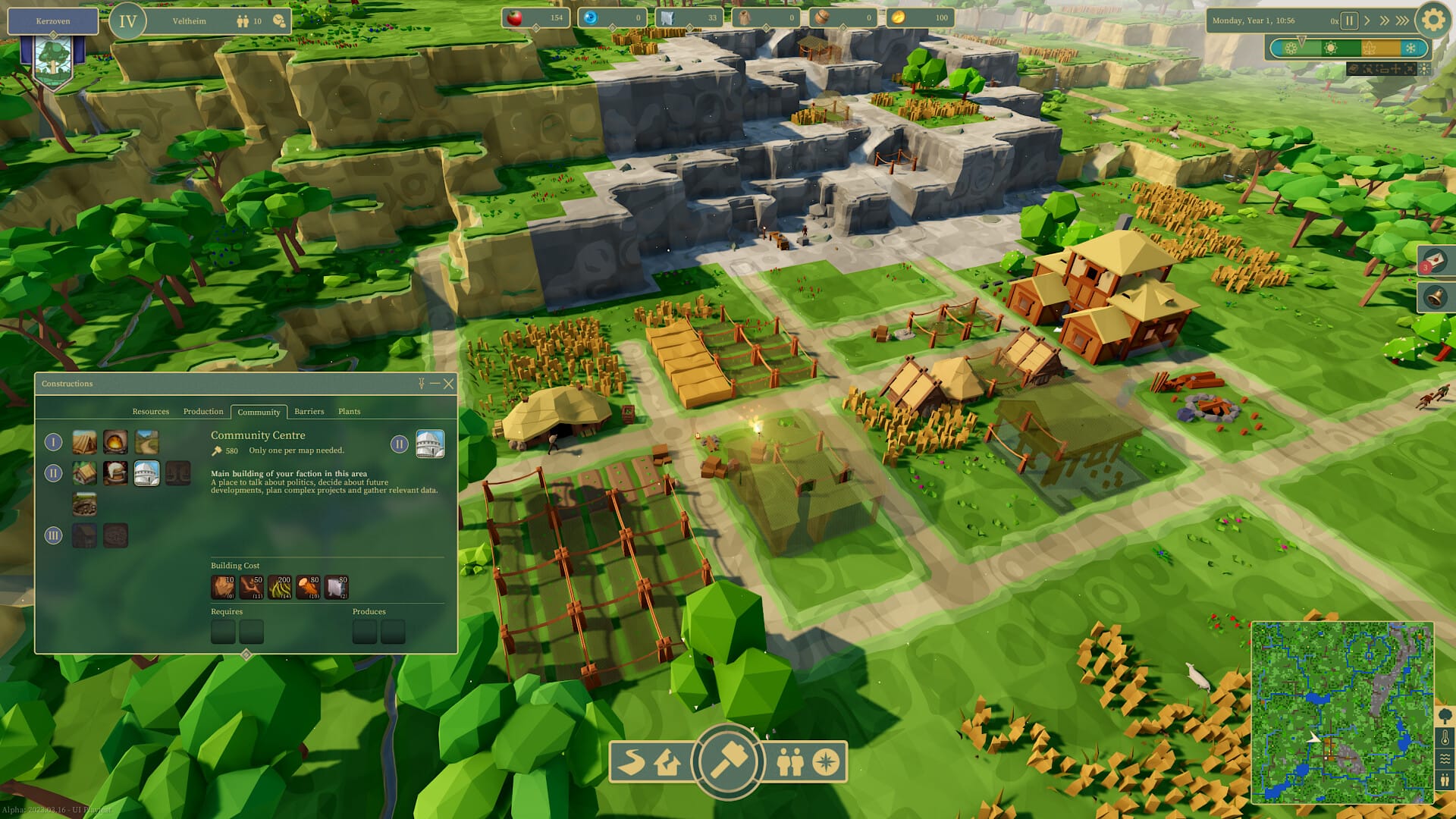
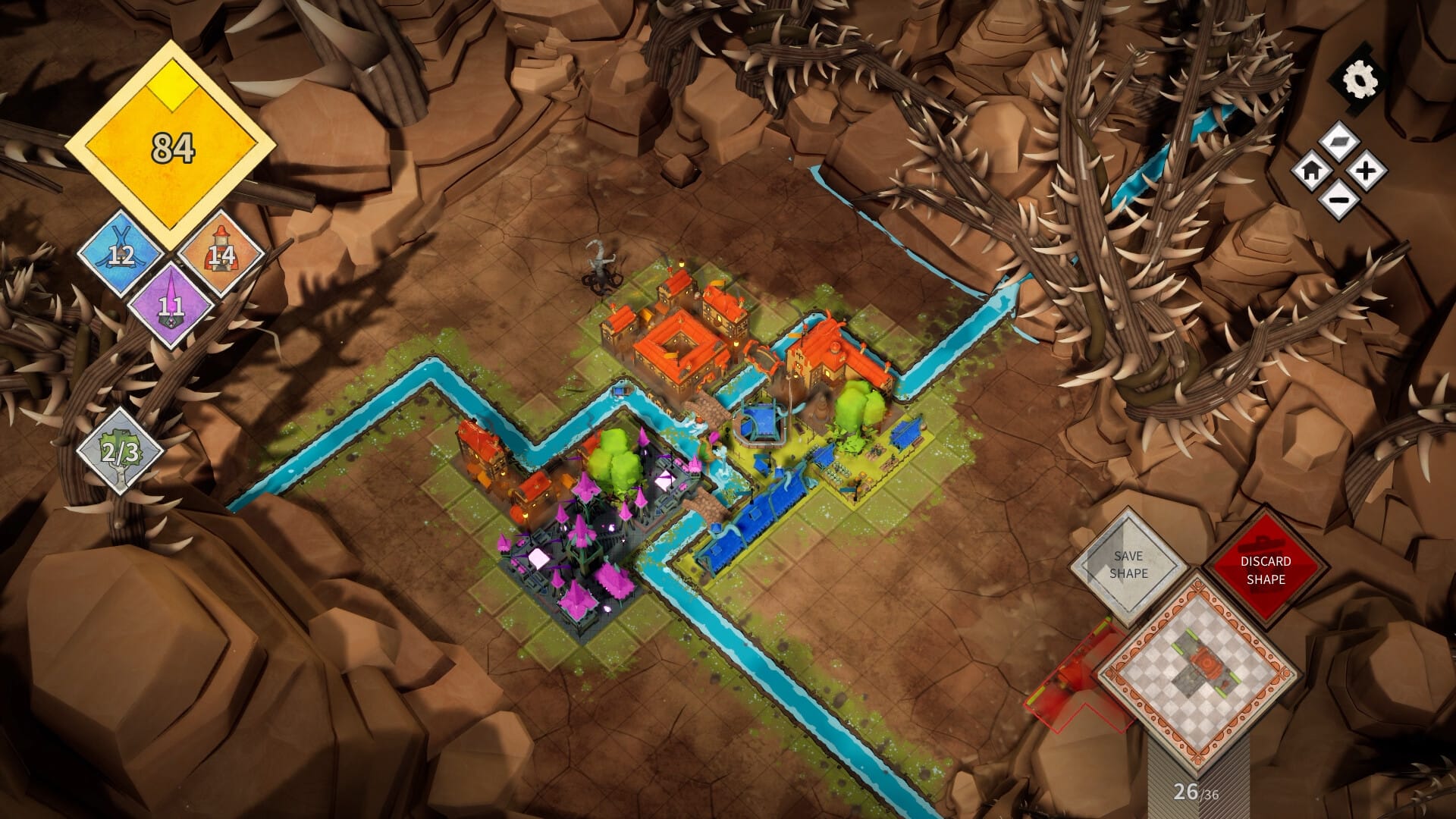
Metaroot is a very small publisher based in Zurich, Switzerland. It is essentially a family business comprising three people who founded the company together: Andri, Nathalie and Flurin Weidmann. The company was founded just over three years ago. Initially, they focused on traditional marketing and livestreaming of events. They later started marketing games and have been operating as a publisher for around one and a half years, "because we realized that we prefer working with games for which we can offer a comprehensive publishing service", says Andri Weidmann. They have published the Tetris-like puzzler River Towns by Frogsong Studios (in collaboration with Stray Fawn Publishing), the steampunk autoshooter Airships: Lost Flotilla by David Stark; the nature simulation Of Life and Land by Kerzoven; the puzzle colony builder Autarkis by Rocking Projects; and The Farmer Was Replaced by Timon Herzog.
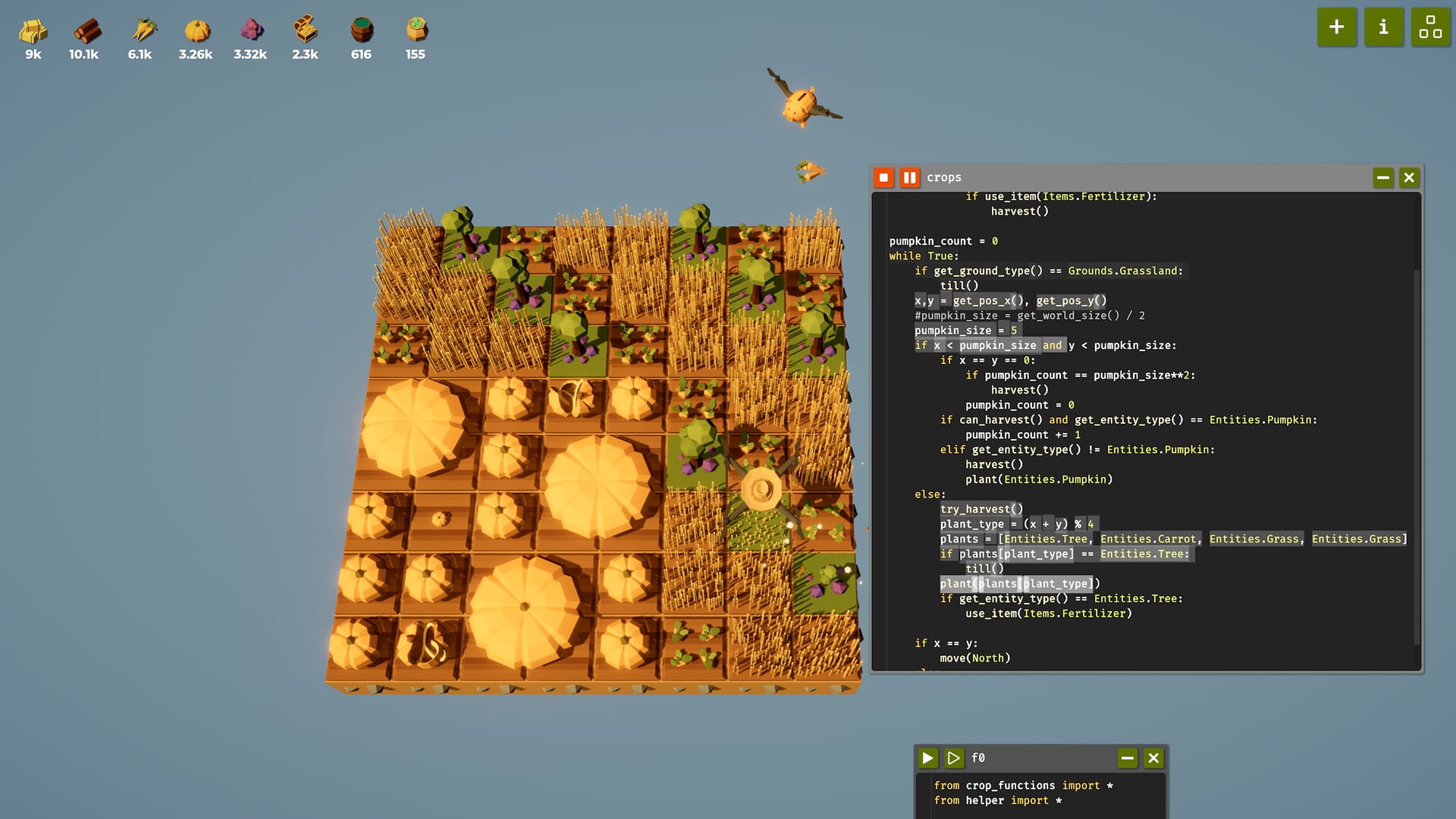
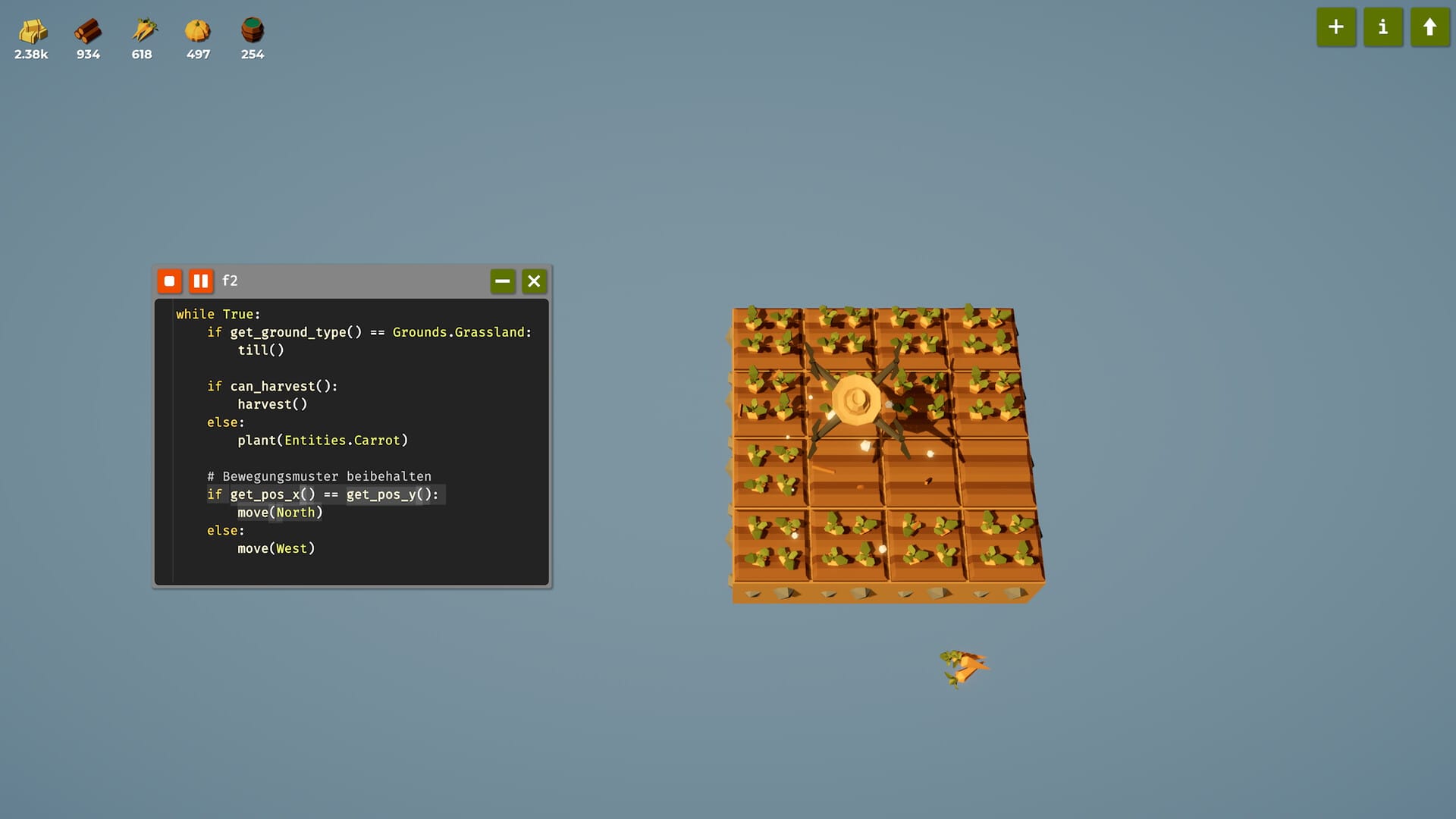
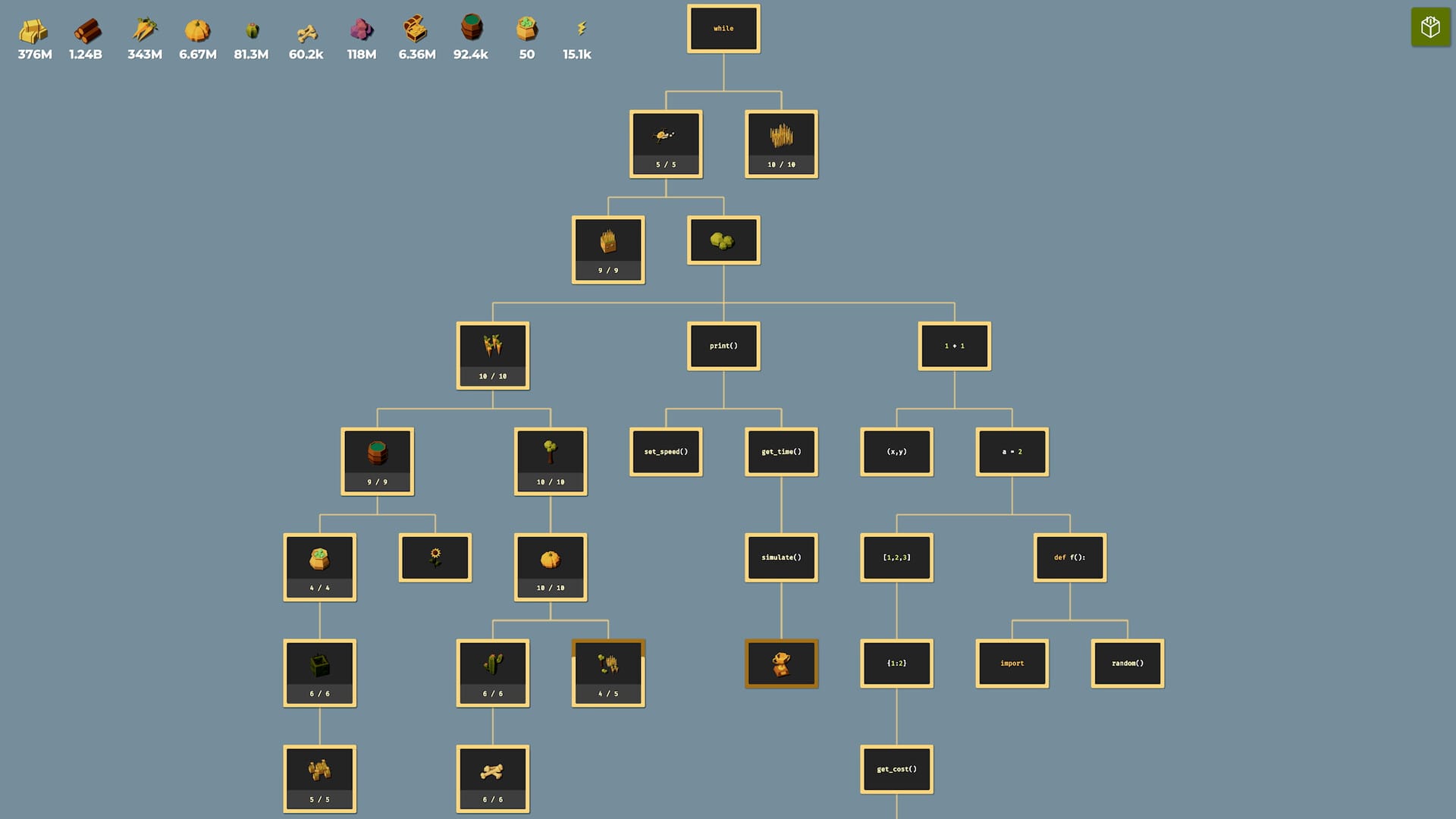
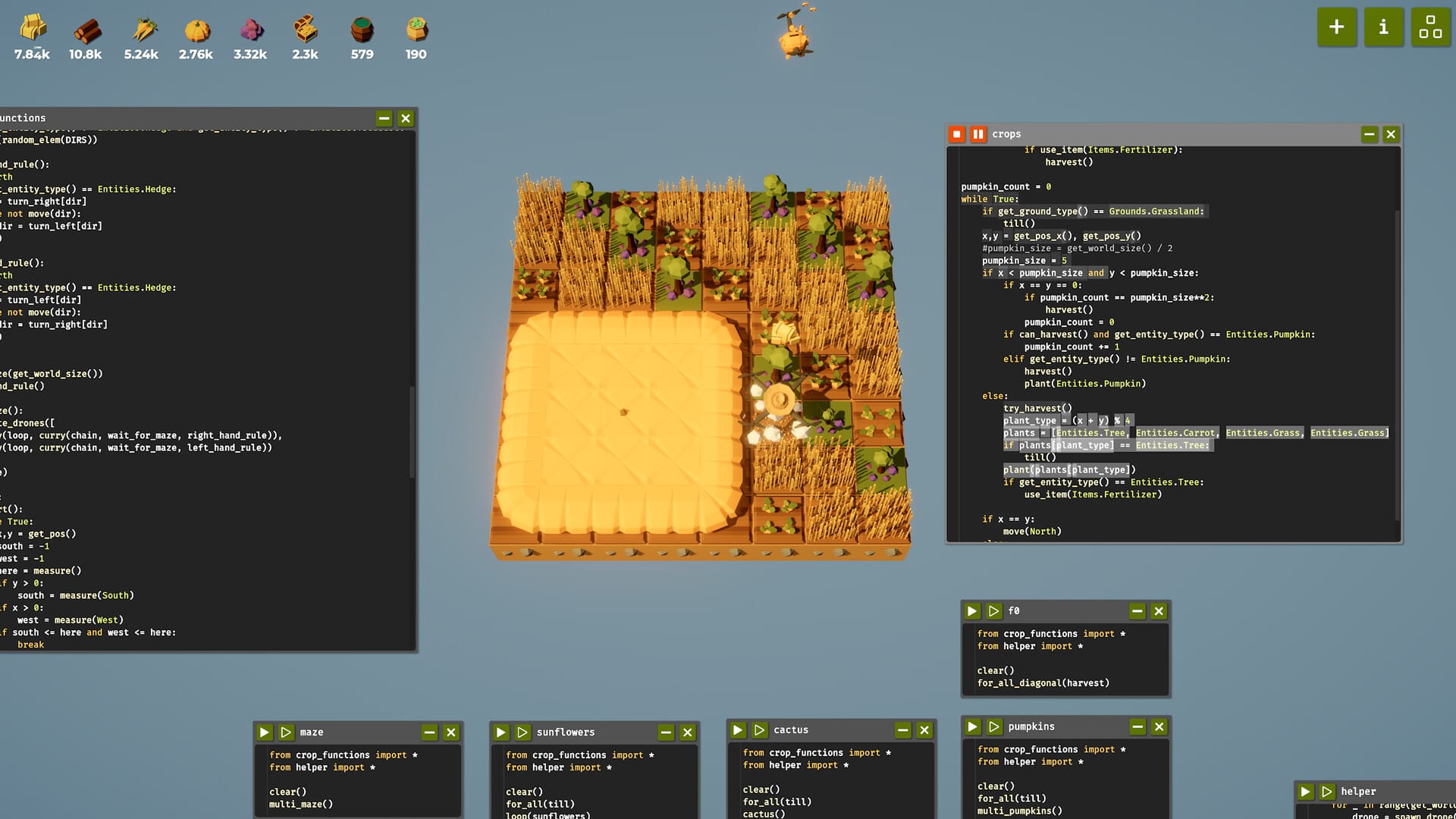
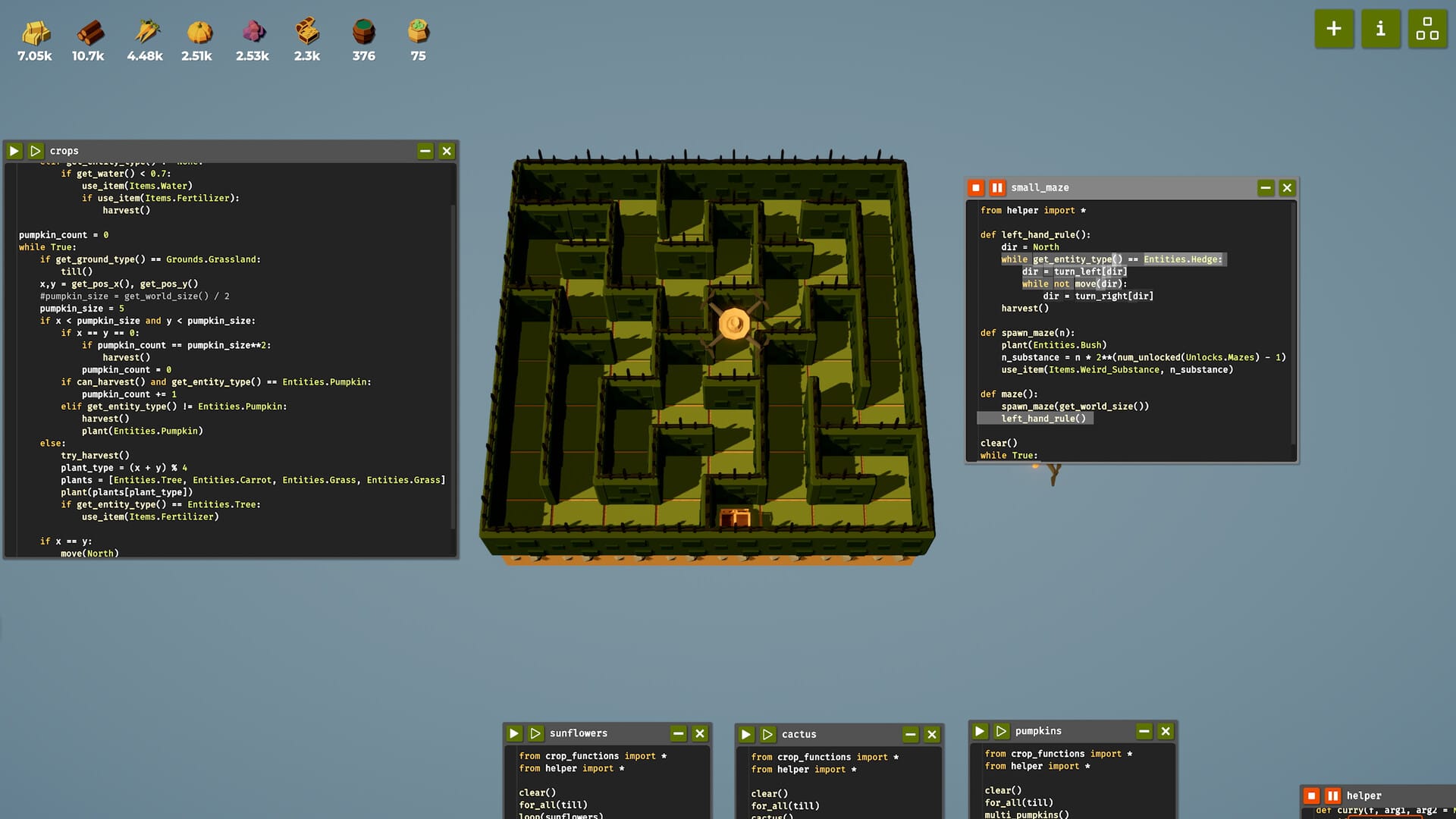
The latter game, which left Early Access on 10 October 2025, was a huge hit in the automation and programming game niche. It is all about programming and optimising a drone to automate a farm, using a simple Python-like language to fully automate various farming tasks and watch the drone do the work. The beginning of the game is designed to teach players all the basic programming concepts they will need, introducing them one at a time. Players then collect resources to unlock better technology and increase their efficiency. "Although the programming language isn't exactly Python, it's similar enough that Python IntelliSense works well with it. All code is stored in .py files and can optionally be edited using external code editors like VS Code. When the 'File Watcher' setting is enabled, the game automatically detects external changes", the developer explained.
2025 was Metaroot's first year of significant releases, with five 1.0 launches within a few months. "During that time, we learned incredibly much as a team of three and saw again how well we complement each other, each of us bringing very different strengths that fit together perfectly. When we found The Farmer Was Replaced in July 2025, it already had over 1,500 reviews from Early Access but no marketing at all. No discounts, no steam events, no press. Its visibility came purely from big YouTubers who discovered it on their own, which showed how strong the idea of a programming game with a Python-like coding language was. The 'programming game' niche is very underserved. If a game in that space is good, people will find it. The Farmer Was Replaced also had a universal hook: learning Python while automating a farm." So they rebuilt the Steam page, localised everything into eleven languages and scheduled the release for Friday 10 October, the same day that Battlefield 6 was launched. While it's a bold move, it's also a good opportunity, as the target groups probably won't overlap that much.
"It paid off: we stayed seven days in 'New & Trending', sold 247,000 units in 12 days, gained 376,000 wishlists, and reached a CCU peak of 7,400. A big part of the success came from China: before launch, it made up 0.3 % of sales; after, nearly 20%. We built a presence on RedNote, grew to 5,000 followers, and could even manage a launch-day bug crisis there directly with players". - Andri Weidmann
RedNote (Xiaohongshu) is a Chinese social media platform that combines elements of Instagram, TikTok, and Pinterest, linking e-commerce with lifestyle content. Metaroot's communications lead, Flurin Weidmann, taught himself how to use it while based in Switzerland, posting gameplay clips and updates directly to the community. "It was a bit of an experiment, but it worked: the moment we started posting there, we could literally watch the Chinese percentage climb every day. It showed us that even without being in China physically or speaking the language, it's possible to build genuine engagement if you show effort and respect for the audience. And for us, that was one of the biggest lessons of the whole release that localisation isn't just translation; it's communication." Overall, localisation was one of the most important factors in the game's success, leading them to take a serious approach to reaching international audiences. "We translated everything not only the 'About this Game' text, but also screenshots, GIFs, trailers, the logo and the game's name and all announcements. It creates a sense of belonging, instead of the feeling that it's 'just another Western game.' That attention to detail paid off."
From February 2023 to June 2025, Germany, the UK and the US dominated the entire pre-publishing phase of The Farmer Was Replaced. Following Metaroot's involvement, the regional impact shifted dramatically: China (19%), Japan (12%), Russia (10%) and Brazil (7%) surged to the top. This shift was tied to their localisation and creator outreach efforts. Timing was also a factor.
An Underserved Niche
But they also believe that the programming-game niche is much stronger than most people think - and it's a niche that's underserved. "Many people in the industry (influencers, journalists, other developers and publishers) were honestly surprised that a game where you actually write code could reach #28 on Steam's global topseller list and sell this well. We got a lot of congratulations, often with a tone of disbelief", Weidmann says. Many influencers and members of the press were reluctant to cover the game because they thought it was too niche. However, the three people at Metaroot saw things differently. "We've been following the 'programming' tag on Steam for a while and noticed that even quite simple games in that space perform surprisingly well. And that there are very few of them. Once you've played two or three, you've basically seen all the well-made ones. It's a niche that's underserved, not small. So yes, the niche played a huge role, but not because it limits the audience. It's because it connects with a very specific and motivated group of players. The educational aspect was key too: The Farmer Was Replaced lets you actually learn Python, not a simplified node-like version. That authenticity caught attention worldwide, because people everywhere are learning to code."
The past year has been a huge learning curve for the Metaroot team because they have added a new layer to their publishing pipeline with every release. "We've learned that introducing a new process always takes the most time, but once it's in place, it becomes second nature. For example, we now send out emails to around 10k influencers for each campaign, three times! That used to be a huge effort, now it's part of our rhythm. For The Farmer Was Replaced, the new layer was localisation. Not just translation, but more complete. We built a workflow for detailed, multi-language launches that we can now apply to future titles. Our next game, Goblin Sushi, already benefits from that structure." Another important lesson was the potential of the Chinese market, which they can reach directly from Switzerland. "The RedNote campaign showed that audiences appreciate when you make the effort, and the fact that we were clearly “foreign” even sparked curiosity and support. We'd like to explore that more in future projects and test other local platforms."
The Farmer Was Replaced has surpassed 500,000 sales (lifetime with Early Access) and has 500,000 outstanding wishlists (with a wishlist conversion rate of 20%).
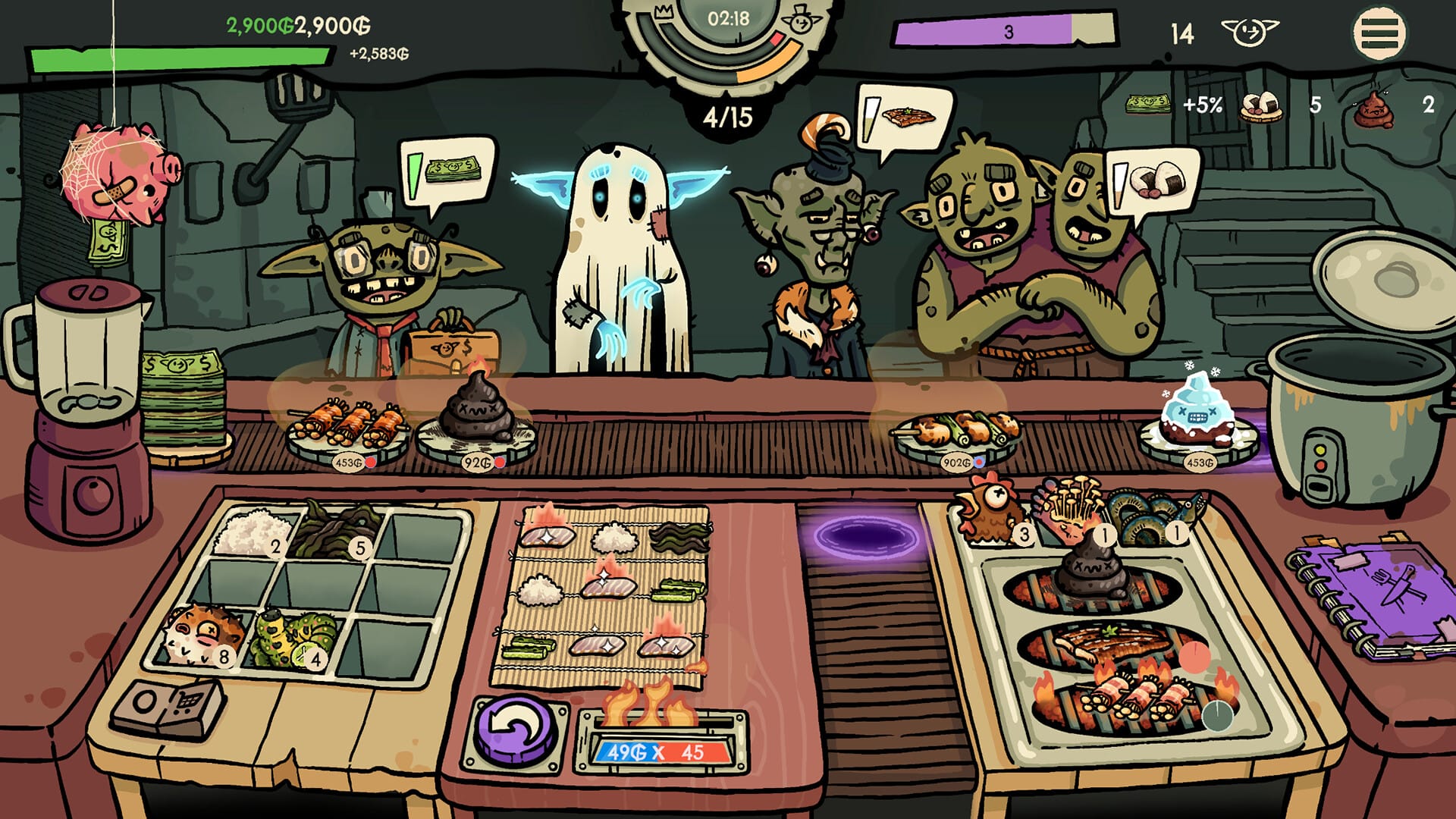
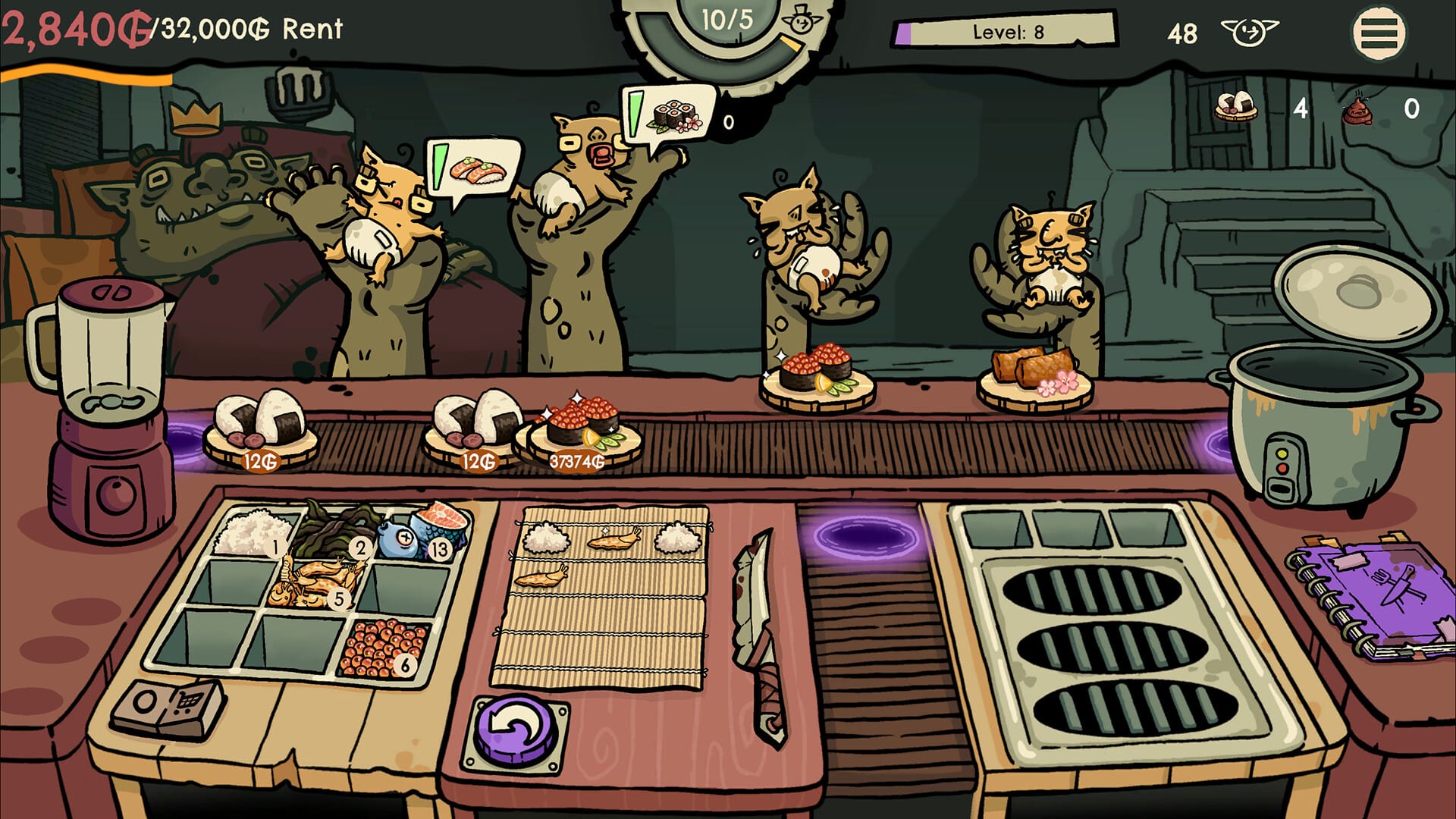
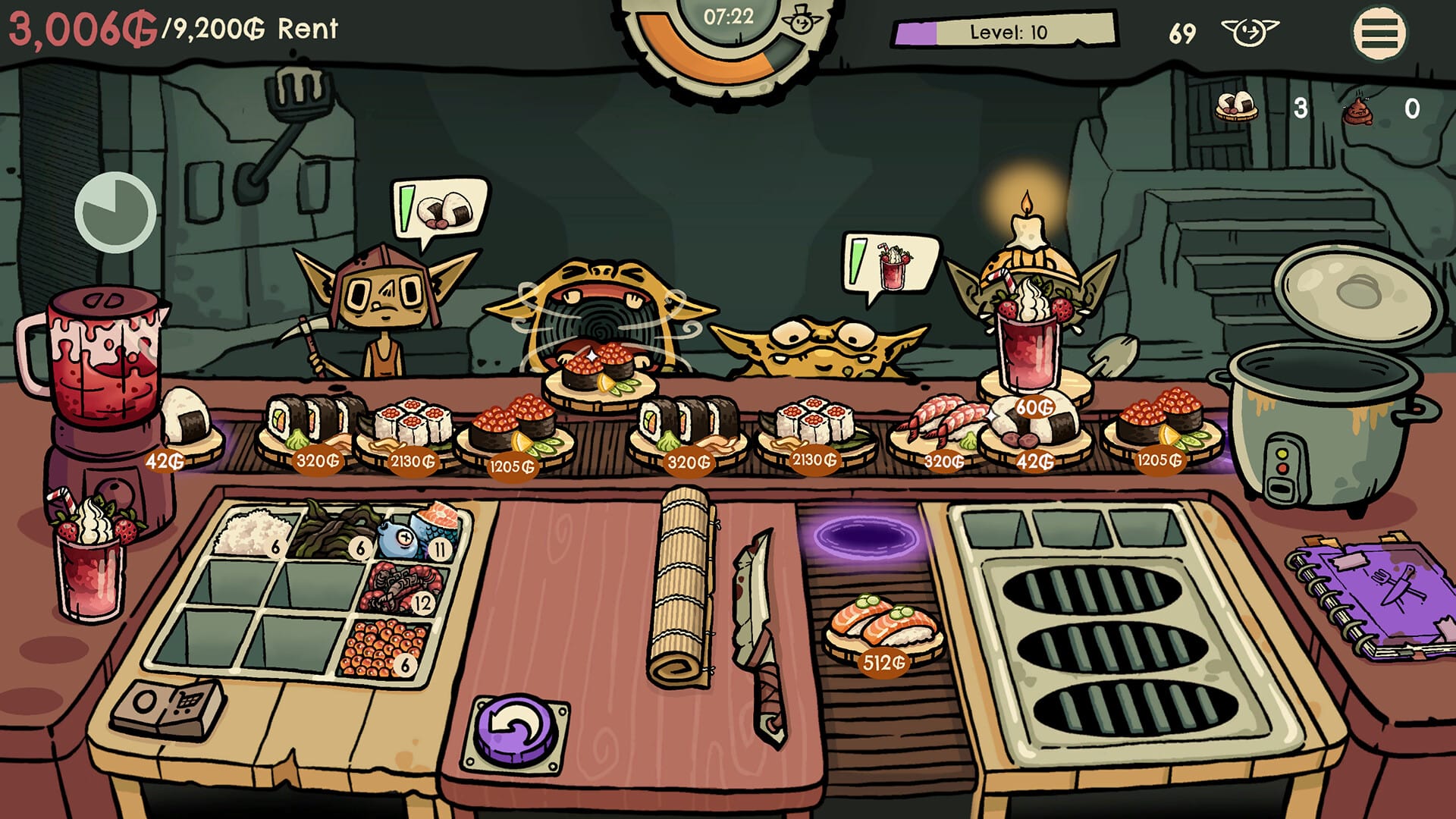
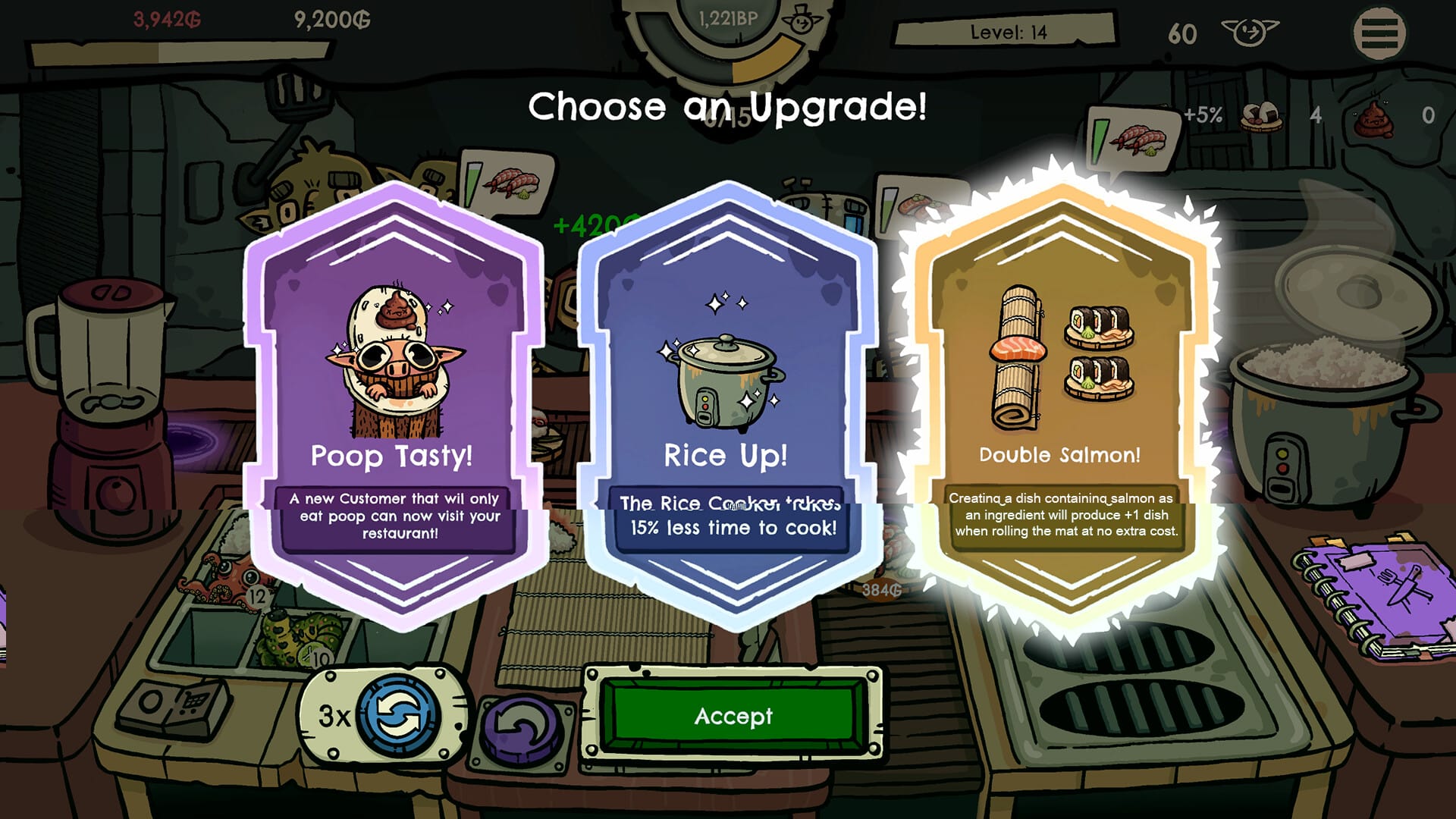
Last but not least, The Farmer Was Replaced proved what they already knew: that good publishing only works when the core game is strong. "We didn't change our overall approach here, the difference was that this project had a fantastic foundation. Seeing our processes click so well with such a great game was a really encouraging moment for us." While they take care of post-launch support for The Farmer Was Replaced, which is slowly subsiding, the team is preparing for their next project: Goblin Sushi, which is also being developed at the Swiss Game Hub. "It's completely different, a fast-paced action restaurant roguelike where you roll sushi as a goblin. We plan to release it in January, and we’re really looking forward to it."
The Swiss Games Industry
Speaking of the Swiss games industry, Metaroot says it is still quite small. "Most studios here are tiny, usually between three and five people, simply because salaries are high and funding is limited. That naturally leads to small, very focused teams." Exceptions prove the rule, namely Giants Software, Urban Games, and Stray Fawn. Weidmann: "Public funding is still developing. There's a national program through Pro Helvetia, and now a new regional pilot from the Canton of Zurich, which is a really promising step." However, 2025 was a significant year for the Swiss gaming industry as a whole, as the Swiss Game Hub - the country's largest coworking space for game developers - relocated to a 2,500 m² industrial hall in Zurich Oerlikon, six times larger than its previous location. Around 150 developers now work there. "We're very closely connected to the Hub, we are helping organize the daily business there and recently took over its marketing with Metaroot. The Hub really is the heart of the Swiss games scene."
Fittingly, Metaroot also became aware of The Farmer Was Replaced at the Swiss Games Hub, where they met the developer. Andri Weidmann helped organise a testing night where developers brought their prototypes to be tried out. "One evening, I saw The Farmer Was Replaced on a screen and I immediately recognised it. It had been on my wishlist for ages, with around a thousand reviews, and I was surprised to see it there. So we went over and, a bit awkwardly, asked the developer, Timon, if this was really the Farmer Was Replaced. He said yes and that he had just started working from the Swiss Game Hub some months earlier. The next day, we asked him if he wanted to work with us for the 1.0 release. It was one of those great moments that can only happen in a shared space like that." After signing the game on 1 July, they had just a few months before launch in October. They revamped the Steam page, updated the trailer and redesigned the key art to make the programming aspect clearer. Game designer Nathalie Weidmann provided targeted feedback and guidance to Timon Herzog to implement minor yet impactful gameplay enhancements, such as making the 'number goes up' feedback more engaging and refreshing the sound design. "Despite being just the three of us, we covered the full publishing pipeline: influencer outreach, press, social media, even some Chinese marketing and more."
Returning to the Swiss gaming market, Metaroot described it as being very open because everyone shares information openly. "When someone spots an opportunity or learns something useful, it spreads fast. We don't really see each other as competitors, but as allies. That spirit is what allowed us to learn so quickly as a publisher." Weidmann mentions Stray Fawn Studio in particular here, praising them for their generosity in sharing their knowledge and experience. "We try to give back in the same way. For example, we built the Metaroot Opportunity Bot, a tool that shares upcoming events and visibility opportunities that we collected for our games. Swiss Game Hub members and SGDA (Swiss Game Developers Association) members can use it for free, simply because we believe that sharing knowledge makes the whole ecosystem stronger (And because we needed a testing ground for the Bot ;) ). So, while the Swiss Game Hub plays a crucial role, it is the culture around it that is even more important. Finally, he said: "A small country where everyone helps each other out, united by the feeling that it's Switzerland against the rest of the world. And honestly, that’s a very motivating way to work."
GamesMarkt Daily Newsletter
Sign up to receive the free daily newsletter about the Games Industry in GSA, Europe and beyond.
Marcel Kleffmann is Chief of Content of GamesMarket and our B2B and B2C expert for hardware, market data, products and launch numbers with more than two decades of editorial experience.